
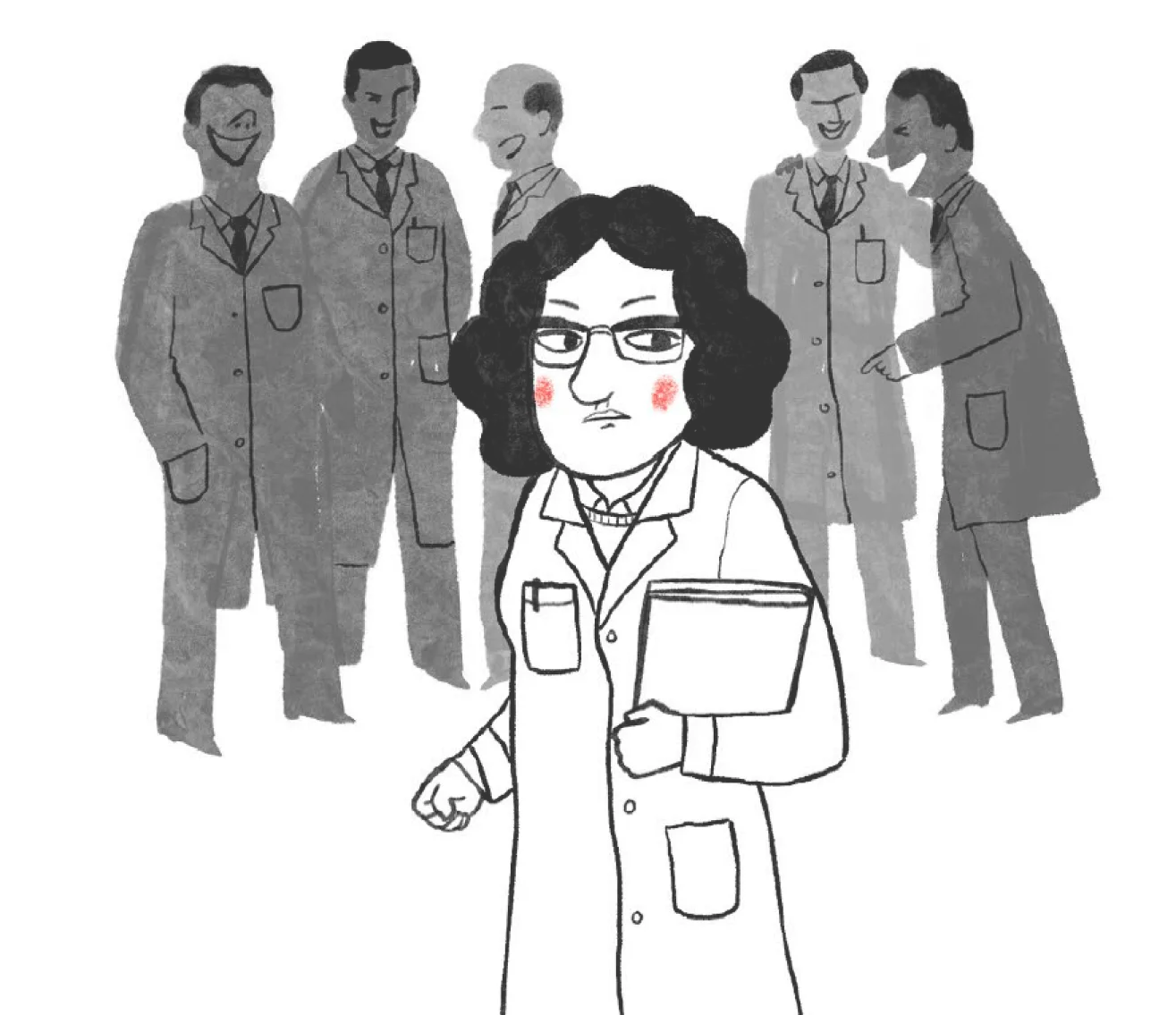
The history of science is often told in masculine terms. Yet behind every major discovery, women have researched, experimented, and innovated, only to be forgotten. This is the phenomenon known as the Matilda Effect.
What is the Matilda Effect?
It is a phenomenon where women's contributions are minimized or credited to men.
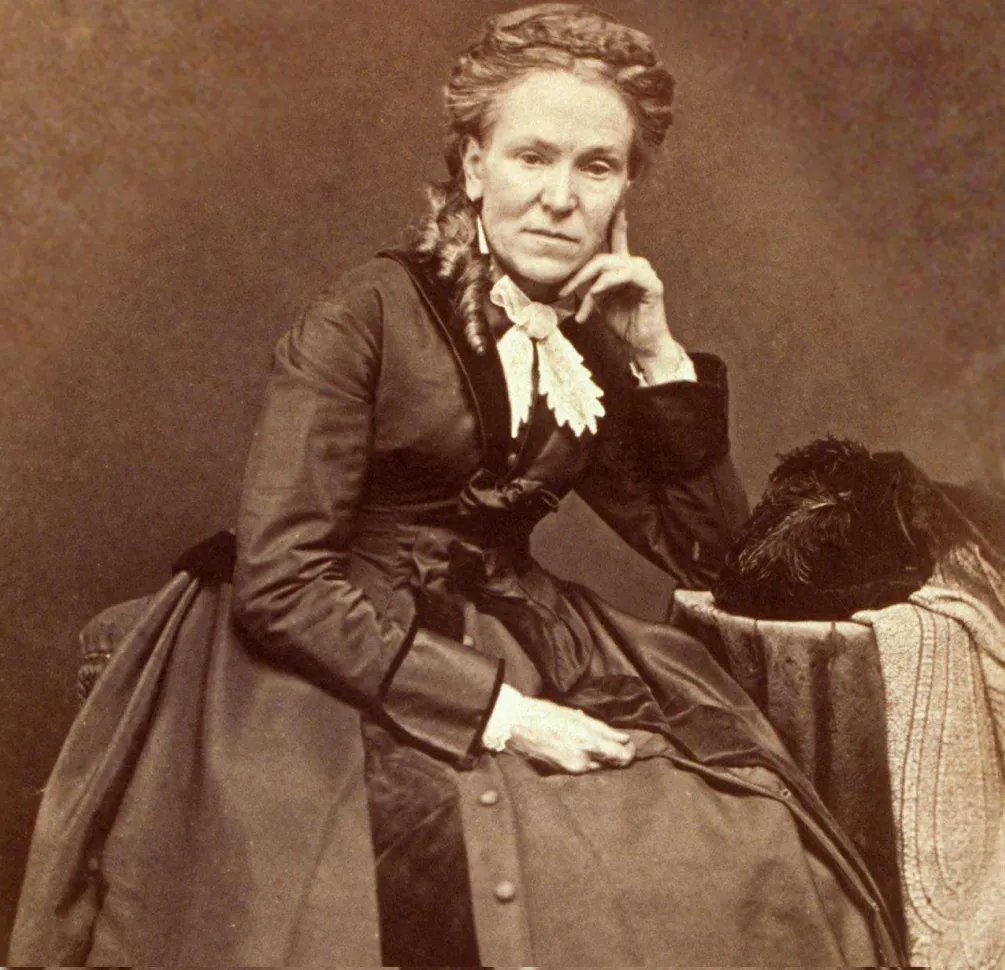
The term was coined in 1993 by American historian Margaret W. Rossiter, in honor of Matilda Joslyn Gage, a 19th century feminist activist.
"Scientific success has long been a story of privilege, not just talent."
— Margaret W. Rossiter
Examples Through Time
Rosalind Franklin: Discovered X-ray diffraction images that made understanding DNA's structure possible, yet the discovery was credited to Watson and Crick.
Netti Stevens: American biologist who discovered the X and Y sex chromosomes; yet for a long time, they were associated with her colleague Edmund Wilson.
Lise Meitner: Discovered how nuclear fission3 works, but the Nobel Prize was awarded only to her colleague Otto Hahn.