
A misdirected scientific debate
Ruth Lewin Sime’s article published in Physics Today challenges the traditional account of the discovery of nuclear fission. Contrary to popular belief, it was not only physicists who delayed this major discovery. Chemists also contributed to the delay by formulating incorrect hypotheses about the behavior of elements beyond uranium in the periodic table.
Meitner's pivotal role in the autumn of 1938
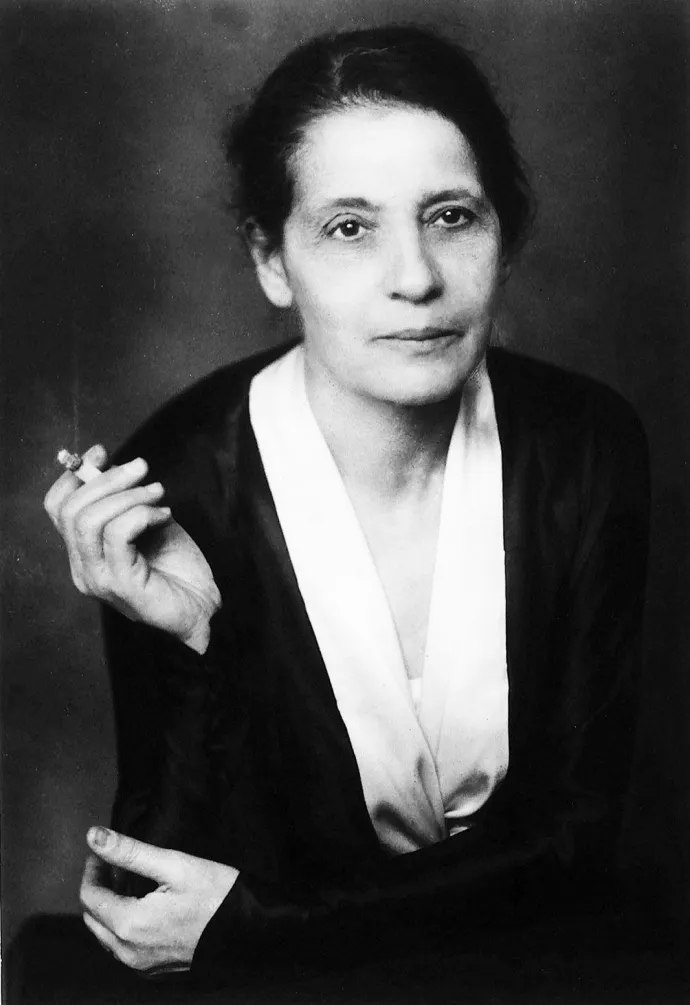
In the autumn of 1938, Lise Meitner played a decisive role in the scientific advancements of her time.
While chemists Otto Hahn and Fritz Strassmann claimed to have discovered radium, Meitner and other physicists expressed deep skepticism about these results.
It was precisely her insistence that prompted Hahn and Strassmann to further analyze the supposed radium. Their work led directly to the groundbreaking discovery of barium.
Moreover, Meitner was the first to confirm to Hahn that the disintegration of the uranium nucleus was far more dramatic than initially perceived, playing a key role in interpreting the phenomenon of nuclear fission.
A historical and political injustice
The scientific paper announcing the discovery of barium listed only the names of Hahn and Strassmann.
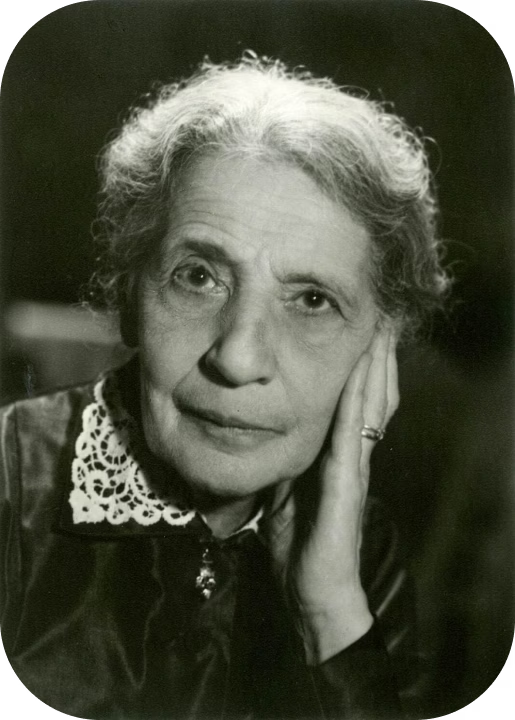
Meitner's absence was by no means a reflection of her scientific contribution. The reason was far more sinister: as a Jewish woman forced into exile, she was politically unacceptable for Hahn and Strassmann to include her as a coauthor in Nazi Germany in 1938.
Historical archives reveal a troubling truth: Otto Hahn swiftly moved to protect his own position, deliberately minimizing Meitner's crucial role in the discovery.
Conclusion
The Physics Today article serves as a crucial call to restore historical truth.
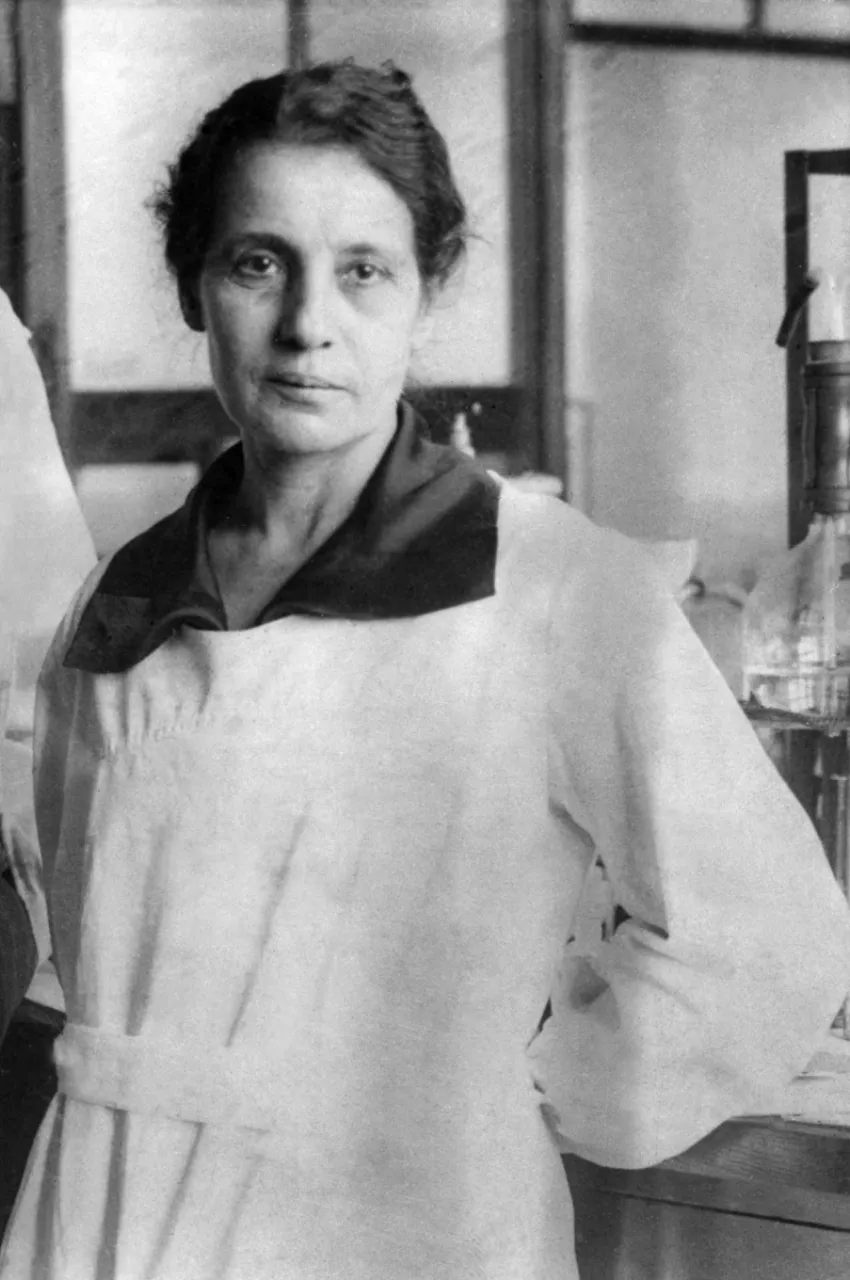
Lise Meitner was not only a victim of the Nazi anti-Semitic regime and forced into exile, but also of the deeply entrenched institutional sexism in the scientific world of her time.
Her fundamental contribution to the discovery of nuclear fission deserves full recognition and teaching, serving as a striking example of the Matilda Effect: the systematic erasure of women scientists from the history of discovery.